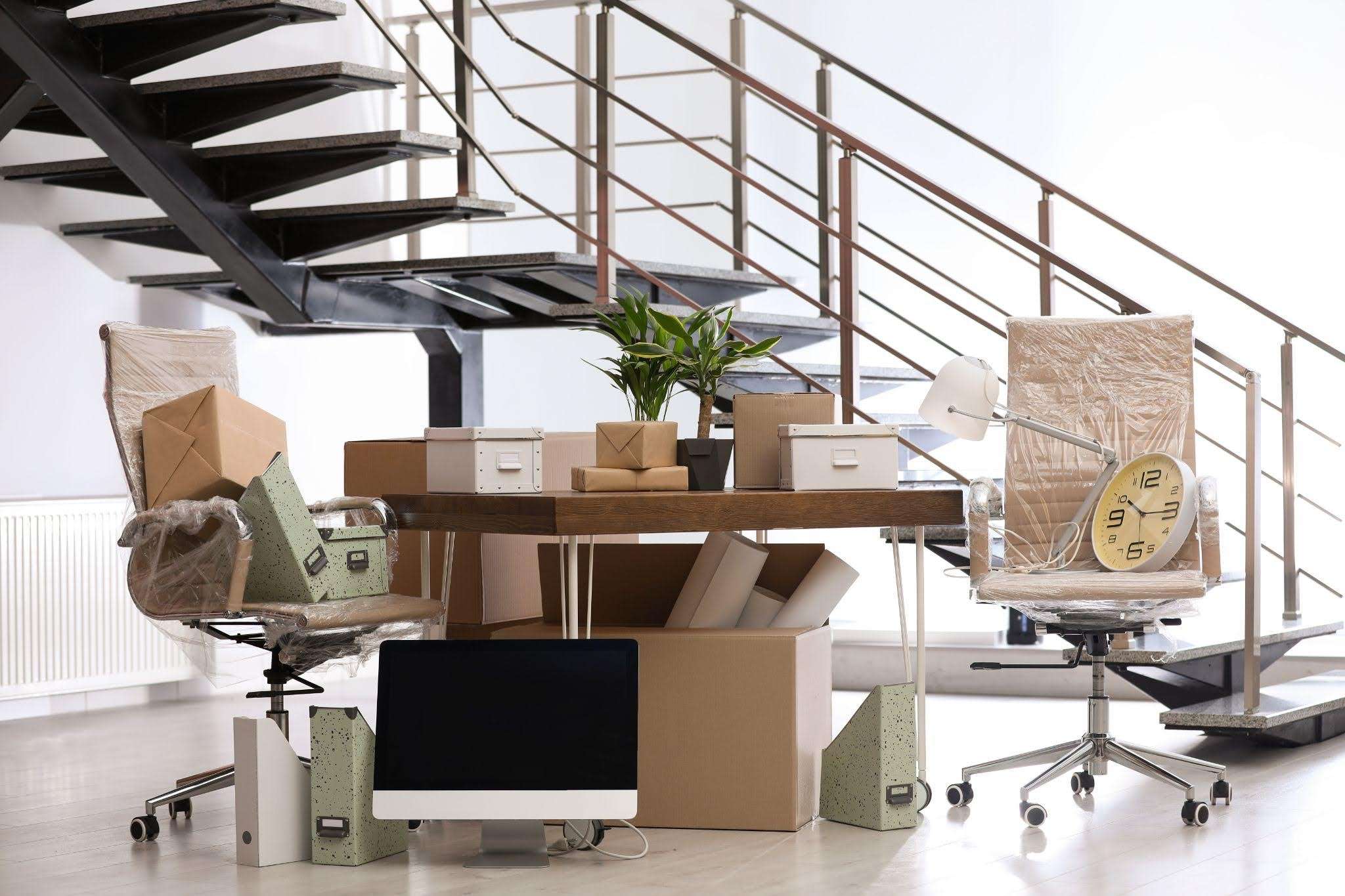
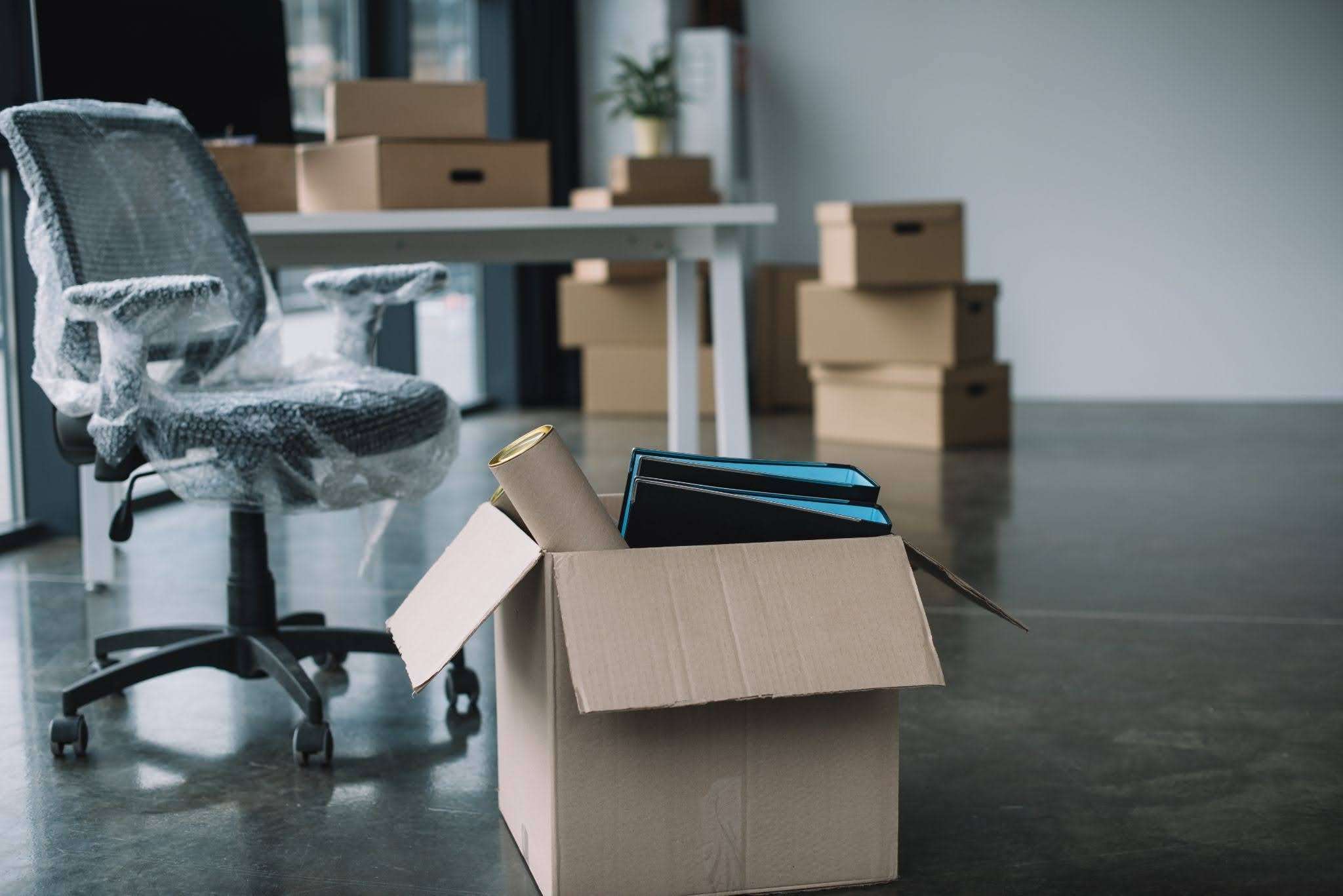
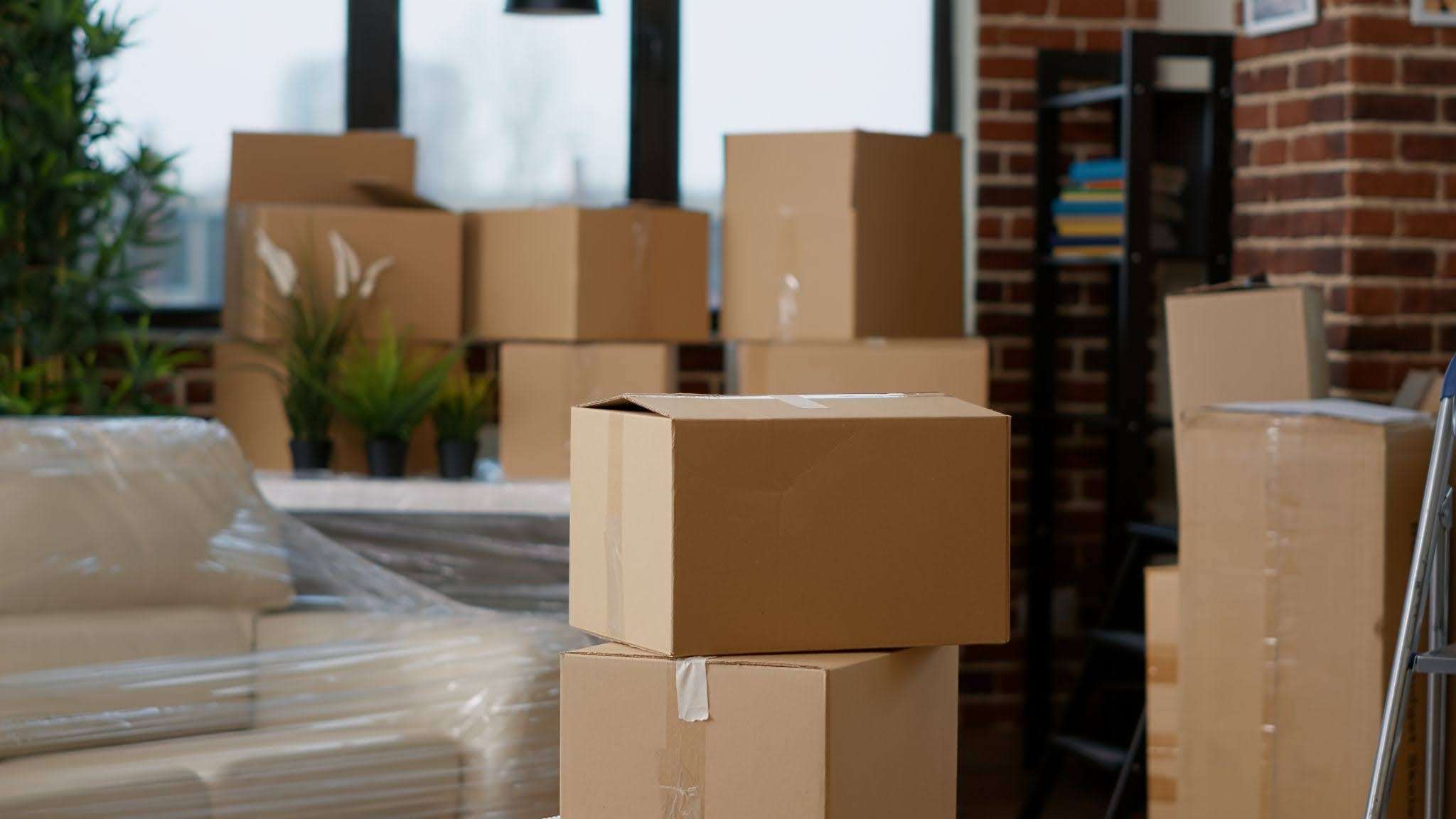
Moving has a funny way of exposing how much you actually own. Every cupboard you open. Every drawer you avoid. That’s why learning how to declutter before moving to a new house is a must.
It’s the difference between a smooth move and a stressful one. If you want fewer boxes, lower moving costs, and a calmer start in your new place, decluttering comes first.
The homes that plan ahead always move better.
Read more — Understanding House Moving Process : What You Need To Know
Decluttering Before a Move Saves You More Than Time
Decluttering is practical. When you reduce what you move, you gain several real benefits:
- Fewer boxes to pack and unpack
- Lower moving volume, which often reduces transport costs
- Less time spent organising your new home
- Less mental clutter during an already busy period
From a moving logistics point of view, fewer items also mean faster loading, safer handling, and better space planning in the moving truck. That’s especially important for long-distance moves or apartment moves with lift booking limits.
If you’re asking how to declutter before moving house, start by understanding this: You’re not throwing things away. You’re choosing what deserves to enter the new chapter with you.
You might also be interested in — 5 Key Factors That Can Affect Your House Moving Service Cost
Start the Decluttering Process Earlier
Most people leave decluttering until packing week. That’s where stress creeps in.
The better and smarter approach is to start as soon as your move is confirmed. Even small daily sessions help. Fifteen to twenty minutes a day adds up quickly and feels manageable. These short bursts keep you focused and prevent fatigue.
Begin with low-emotion areas. Storage rooms. Utility cupboards. Kitchen cupboards and drawers. These spaces often contain items you forgot you even owned. Clearing them first builds momentum and confidence.
By the time you reach personal items, you’re already in the right mindset.
Decluttering One Room at a Time Keeps Your Head Clear
Tackling every area at once often leads to unnecessary stress. A room-by-room approach works best.
Focus on one space. Finish it. Then move on.
Ask yourself three simple questions for every item:
- Do I use this regularly?
- Would my day really be affected if this was gone?
- Do I need this in my new home?
- Is it worth the effort and cost of moving?
If the answer is no, it doesn’t need to move with you.
This method is especially useful if you’re downsizing or moving into a space with a different layout. What worked in your old place may not make sense in the new one.
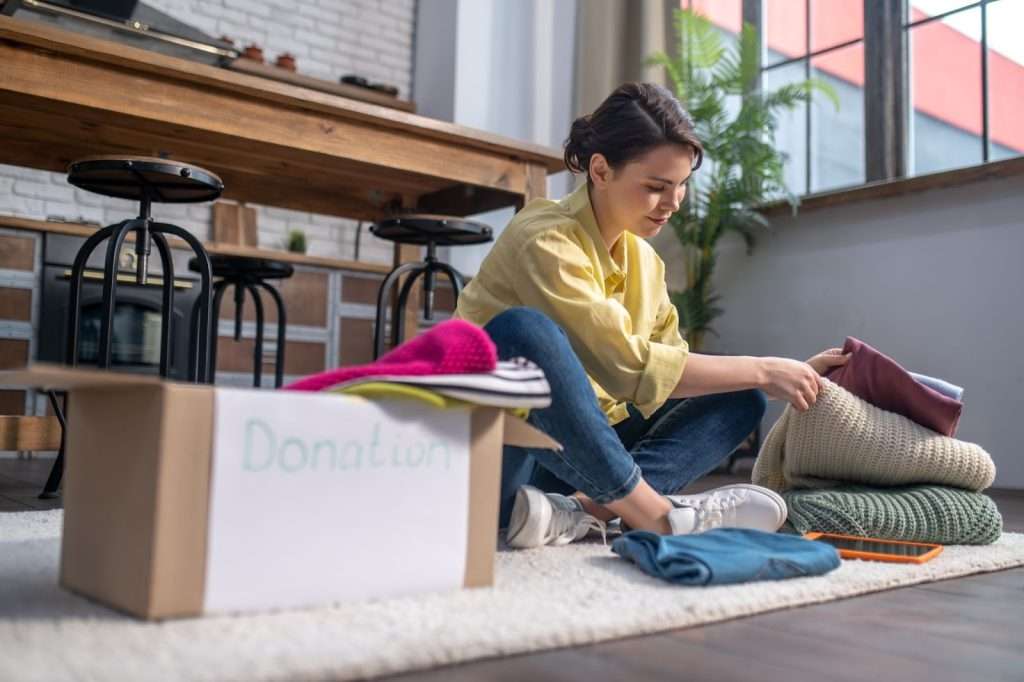
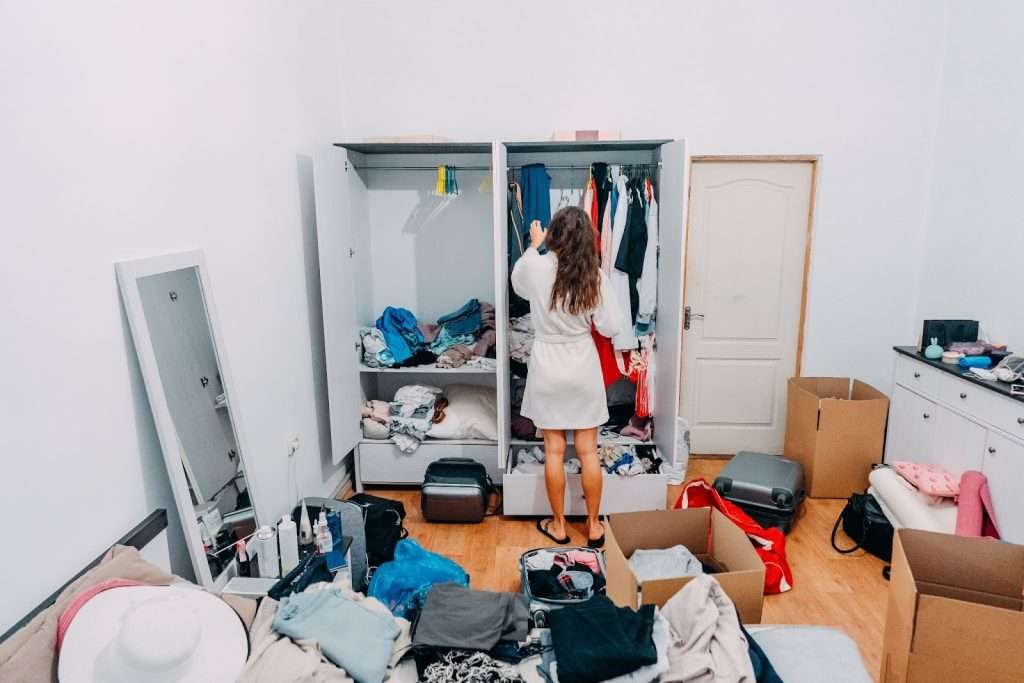
Clothes Reveal Clutter Faster Than Anything Else
Your wardrobe tells the truth. If you’ve not worn something in a year, chances are you’ll not miss it.
Try this practical rule. If it doesn’t fit your current lifestyle, climate, or work setup, let it go. This applies to office wear as much as casual clothes.
Sort clothes into clear groups:
- Keep and pack
- Donate in good condition
- Recycle or discard worn-out items
This reduces packing time and makes unpacking much easier. You’ll thank yourself when your new wardrobe only contains clothes you actually wear.
Recycling and collection points in Singapore.
Paper and Documents Deserve Special Attention
Paper clutter is common in homes. Old bills, manuals, and outdated files add weight and volume without value.
Before moving, review your documents carefully. Keep only what’s legally or personally important. Scan and store items digitally where possible, especially receipts and documents you may need later.
For confidential papers, use a home shredder or a proper shredding service instead of throwing them away. This protects your personal information.
Furniture Should Earn its Place in the New Space
Large items cost the most to move. That’s why furniture decluttering matters.
Measure your new space if possible. Think about layout, access points, and daily use. If a piece no longer fits your needs or the new layout, it may be better to sell or donate it before the move.
From a moving transport perspective, fewer bulky items also reduce handling risks and speed up the moving process.
Find out more — Easy steps to dispose of your old furniture
Looking to dispose of old furniture before your move? Our team can help. Get in touch on WhatsApp to learn more.
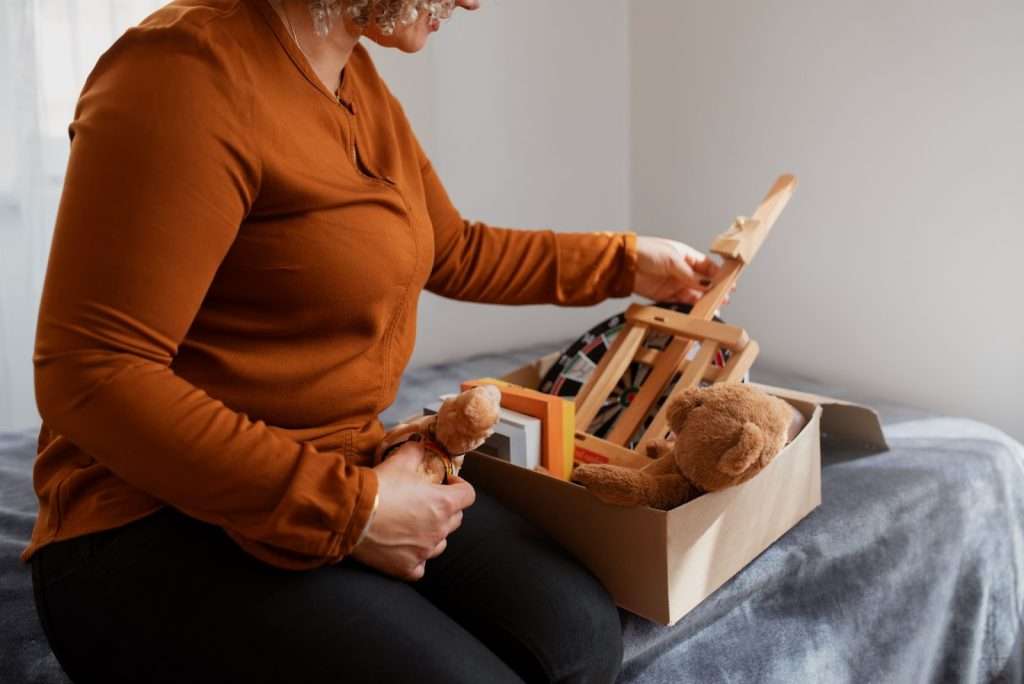
Sentimental Items Need a Different Approach
Not everything can be decided logically. Some items carry memories.
For sentimental belongings, give yourself time. Don’t declutter these when you’re rushed or tired. Choose a calm moment.
A practical way to manage these items is to create a “sentimental box” for the most meaningful keepsakes. Limit yourself to what fits in the box. This helps you prioritise and makes moving simpler.
You don’t need to keep everything to preserve memories. Photos, letters, or a single meaningful item often hold more value than boxes of stored keepsakes.
This balanced approach helps you move forward without regret.
Set Aside a Clear “Do Not Pack” Zone
One practical tip many people overlook is creating a clear zone for items that shouldn’t be packed.
This includes:
- Items you plan to donate or discard
- Things you’ll sell before moving
- Essentials you’ll use until the last day
Label these areas clearly. This avoids last-minute confusion and prevents unwanted items from ending up in moving boxes.
Professional movers appreciate this clarity too. It keeps the moving day efficient and organised.
Decluttering Before Moving House Makes Unpacking Easier
Decluttering doesn’t end on moving day. It directly affects how you settle in.
When only necessary items arrive at your new place:
- Unpacking feels lighter and faster
- Storage spaces stay organised from day one
- You avoid clutter building up again
This is why understanding how to declutter before moving house is just as important as knowing how to pack properly.
You’re setting the foundation for how your new space will feel.
Extra Tips to Make Decluttering Easier
Even with a plan, decluttering can feel overwhelming. These tips help you stay on track and make smarter decisions:
- Create An “Uncertain Items” Box
If you’re not sure whether to keep something, place it in a separate box. If it isn’t used or unpacked within a few months, it’s a sign to let it go.
- Use the “One In, One Out” Rule
For every new item you bring into your home, remove one old item. This keeps clutter from creeping back before the move.
- Track What You Actually Use
For a few weeks, note which items you use most. This can guide which belongings are truly necessary for your new home.
- Set Deadlines for Donation or Disposal
Schedule a date to give away or discard items so you don’t procrastinate.
- Take Photos of Items Before Letting Them Go
It preserves the memory without taking up space. Great for sentimental items you can part with.
- Ask for a Second Opinion
Sometimes a friend or family member can help you decide what to keep or donate.
- Celebrate Progress
Acknowledge each space you declutter. It keeps the process positive and less stressful.
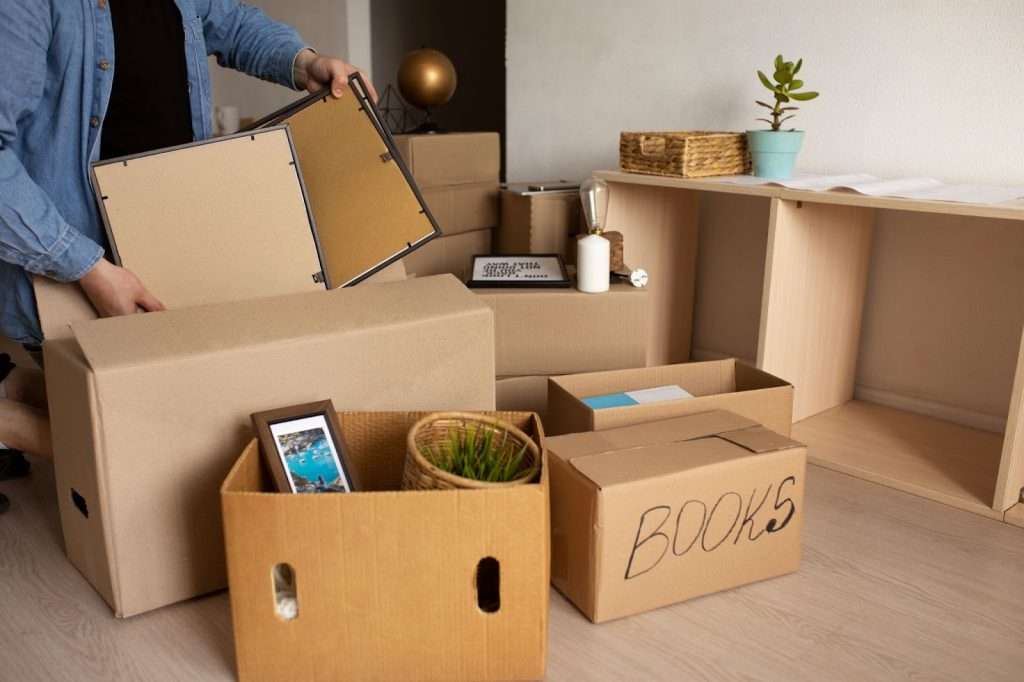
A Calmer Move Starts with Fewer Boxes
Moving always involves change. Decluttering gives you control over that change.
A smooth move starts long before the truck arrives. When you declutter early and with intention, everything else becomes simpler. Packing. Transport. Unpacking. Even settling in.
If you’re preparing for a home move in Singapore, start with what you own. Keep what serves you. Let go of what doesn’t. Your future self will thank you.
Need help with your residential move? Contact Soon Seng on WhatsApp today.