Moving heavy items often seems straightforward, but it rarely goes as planned. A single awkward lift can strain your back, while a brief loss of control can leave marks on your floors or walls.
These situations come up more often than expected during a house move, when rearranging furniture, or while handling stock at work. In most cases, the challenge is not just the weight, but how difficult it is to manage and move it safely.
This is why using the right tools for moving heavy objects can reduce the need for manual lifting, improve control, and help prevent injury. With the proper tools, the task becomes more manageable and far less risky.
Looking for a professional mover in Singapore? Soon Seng Transport got you covered with just a call away!
Essential Tools for Moving Heavy Objects
Instead of relying on strength alone, use these tools to help you move heavy objects with control, reduce strain, and protect your surroundings. Each tool serves a specific purpose, so knowing when to use them makes the task far more manageable.
- Dollies and Hand Trucks
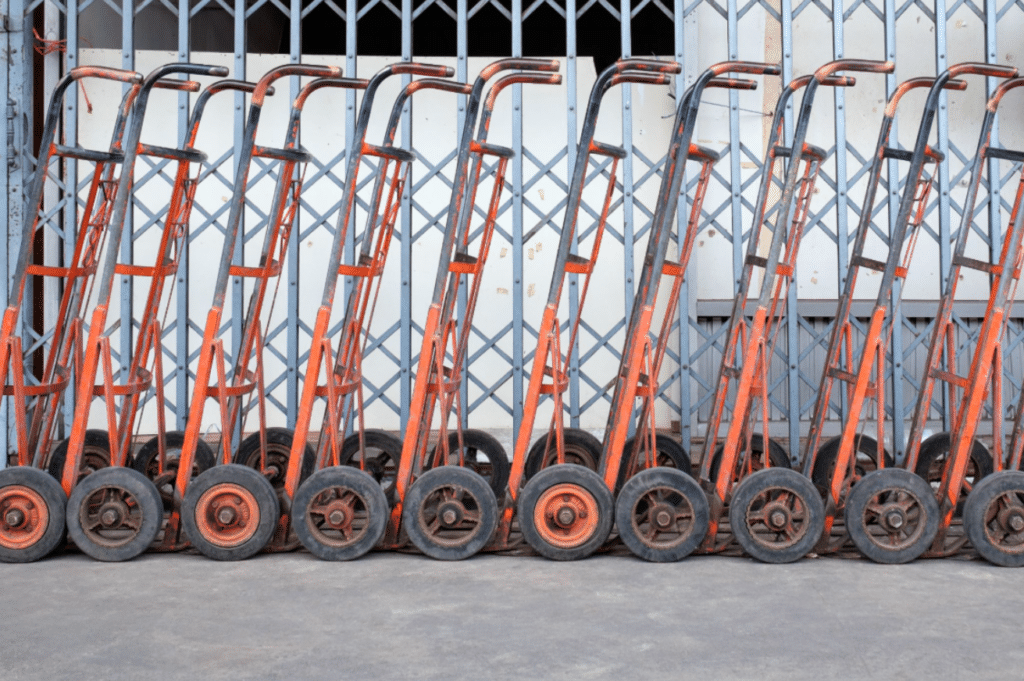
Dollies and hand trucks are among the most common tools for moving heavy objects, and for good reason. They allow you to move items by rolling rather than lifting, which takes much of the strain off your body.
They are best suited for boxes, appliances, and stacked loads. Once the item is placed on the base, you tilt it slightly and guide it forward. This keeps the weight supported while you stay in control of the movement.
To use them effectively, position the load so that the weight sits over the wheels, then tilt it back in a steady motion. Keeping the load balanced will prevent it from shifting as you move.
- Furniture Sliders
Furniture sliders are effective tools for moving heavy objects because they allow you to move large items across the floor without lifting them. You place a slider under each corner, then guide the item by pushing it across the surface.
They work well for sofas, wardrobes, and beds, or any items that are wide, heavy, and difficult to grip. Sliders also suit different surfaces, for instance, felt sliders are better for wood or tiled floors, while plastic sliders move more easily across carpet.
To use them, lift each corner just enough to position the slider flat underneath. Once all corners are in place, apply steady pressure and guide the item in the direction you want. Keeping the movement controlled will help prevent the sliders from slipping out of place.
- Lifting Straps and Harnesses
Lifting straps and harnesses are great tools for moving heavy objects that shift the load from your arms to larger muscle groups in your body. Instead of relying on grip strength alone, they help distribute weight across your shoulders, back, and legs.
They are best used for bulky items that are awkward to carry, such as large furniture or appliances. When used correctly, they improve balance and reduce strain during lifting and walking.
- Moving Blankets and Pads
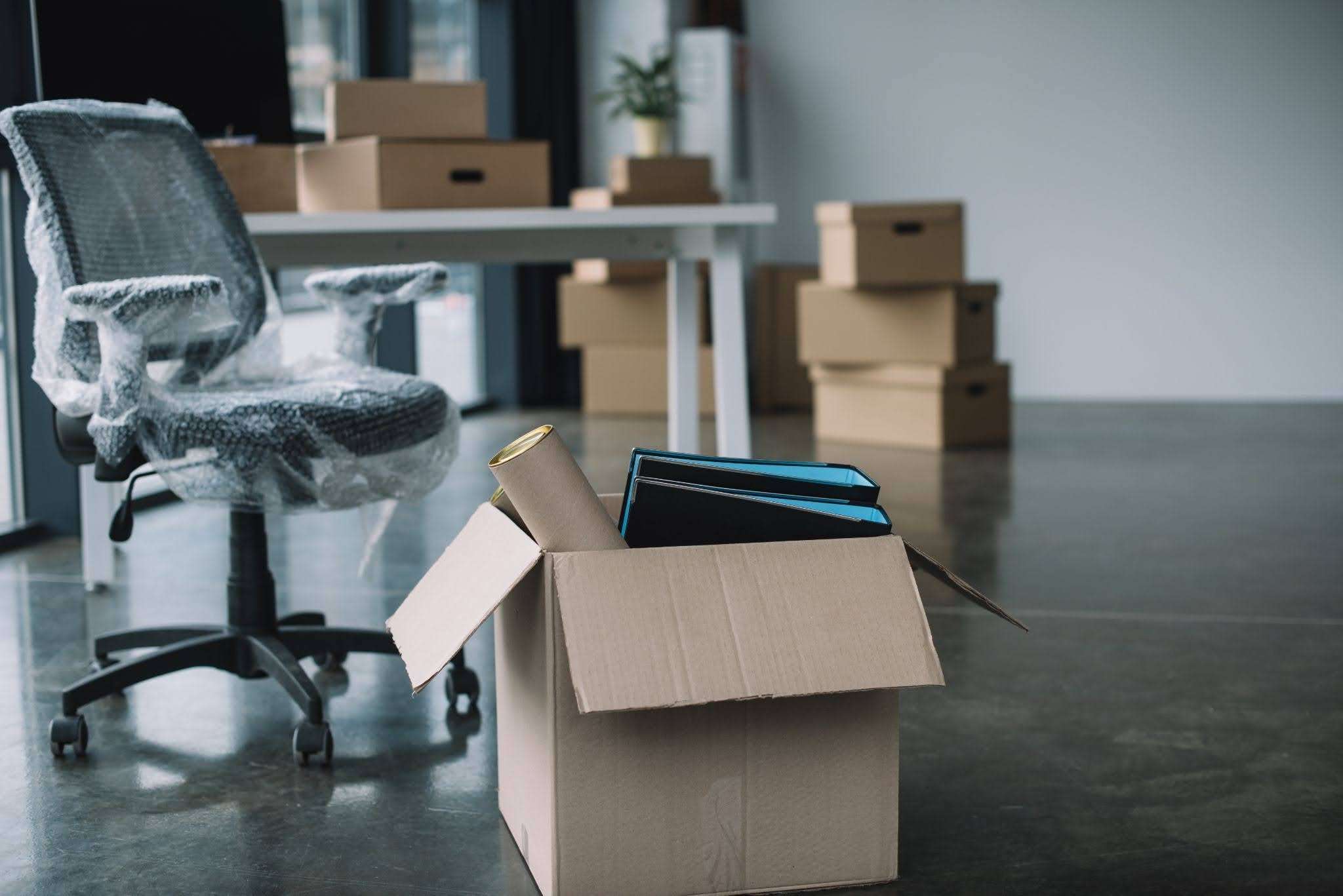
Moving blankets and pads are protective tools for moving heavy objects that help prevent damage during transport. They are placed around or under items to reduce scratches, dents, and impact marks.
They are commonly used for furniture, mirrors, and appliances, especially when items need to be slid, stacked, or loaded into a vehicle. They also help create a layer between hard surfaces, which reduces friction during movement.
To use them, wrap or drape the blanket over the item and secure it if needed. For sliding, place the pad underneath the object so it can move more smoothly across the floor. Keeping the coverage even helps protect all contact points.
- Pallet Jacks and Trolleys
Pallet jacks and trolleys are used when items are too heavy or bulky to carry by hand as they allow you to move large loads by rolling them instead of lifting. They are commonly used in warehouses, shops, and storage areas.
A pallet jack is designed to lift and move pallets, while a trolley or platform cart carries stacked items across flat surfaces. Both reduce the need for repeated lifting, especially over longer distances.
To use them safely, place the load so it sits evenly on the base. Push or pull with steady control, keeping the weight centred to avoid tipping. Smooth movement is more important than speed, especially when turning or stopping.
Hoists and Lifting Systems
Hoists and lifting systems help lifting loads vertically or handling extremely heavy items. They use a hook, pulley, or motor to raise and lower objects with controlled movement.
They are often used in garages, workshops, and industrial spaces where manual lifting is not practical. Unlike carts or dollies, these tools focus on vertical lifting rather than horizontal movement.
To use them safely, always check the weight rating before lifting. Secure the load properly to the hook or attachment point, and lift in a slow, controlled motion. Keeping the load stable during movement is essential to prevent accidents.

Safety Tips When Using Moving Tools
Even with the right tools for moving heavy objects, safe handling still depends on how you use them. A few simple habits can reduce the risk of injury and damage during the move.
- Stay within the weight limit of each tool. Every dolly, strap, or hoist is designed for a specific load, and exceeding it can lead to loss of control.
- Keep items close to your body. The further the load sits from you, the more pressure it places on your back and arms.
- Clear the path before moving. Remove obstacles and check the route so movement stays steady and predictable.
- Wear shoes with proper grip. Good footing helps prevent slips when starting, stopping, or turning.
- Ask for help when needed. Some items are safer and easier to handle with two people working together.
Conclusion
With the right tools for moving heavy objects, the task becomes easier to manage because you are no longer relying on lifting alone. Before any move, it helps to pause and plan. Choose the right tool, check your path, and make sure everything is set up properly. That preparation makes the process safer, smoother, and far more controlled from start to finish.
Looking for a professional mover in Singapore? Soon Seng Transport got you covered with just a call away!