Packing kitchen appliances incorrectly can leave you with damaged items before you’ve even settled into your new home.
Fortunately, most damage is preventable. Knowing how to pack kitchen appliances for moving helps protect everything from small countertop appliances to larger kitchen equipment.
This guide walks you through the practical steps to pack them safely and make unpacking much easier.
A Few Minutes of Preparation Can Prevent Costly Damage
Packing kitchen appliances isn’t the same as packing plates or pantry items. Many appliances contain electrical components, glass parts, removable accessories, and delicate mechanisms that can shift during transport.
Before you start boxing things up, it helps to prepare each appliance properly and use suitable packing materials.
The steps below will help you protect everything from your coffee machine and blender to larger appliances such as refrigerators and ovens.
1. Start With a Simple Appliance Inventory
Before packing anything, walk through your kitchen and identify every appliance you plan to move.
This gives you a clearer picture of the packing materials you’ll need and helps prevent smaller items from being overlooked.
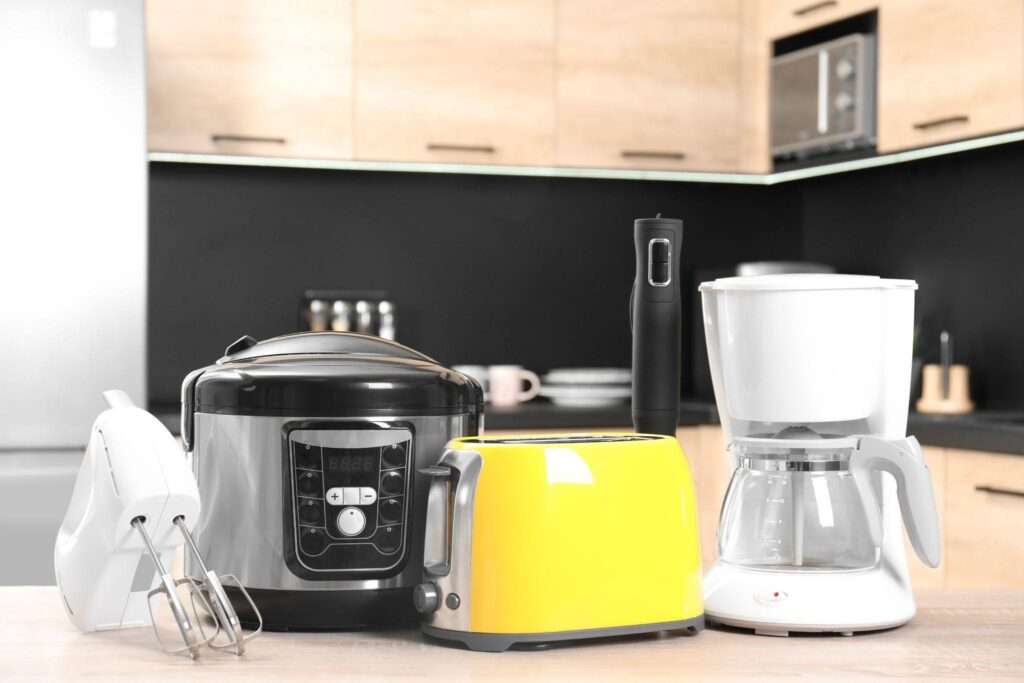
Common kitchen appliances include:
- Microwave ovens
- Coffee machines
- Air fryers
- Toasters
- Rice cookers
- Stand mixers
- Food processors
- Blenders
- Electric kettles
- Slow cookers
- Juicers
- Bread makers
As you create your inventory, check whether you still have the original packaging for any appliance. Original boxes are often the safest option because they’re designed specifically for the appliance’s size and shape.
2. Give Yourself Time to Clean Everything First
It may be tempting to pack appliances immediately, but cleaning them beforehand is an important step.
Food residue, grease, crumbs, and moisture can create unpleasant odours during storage or transportation. In some cases, leftover moisture can even contribute to mould growth.
Before packing:
- Empty all removable trays and containers
- Remove food particles and crumbs
- Wipe down interior and exterior surfaces
- Dry every component thoroughly
- Leave appliances open briefly to air out if necessary
Starting with clean, dry appliances helps ensure they arrive in good condition.
3. Gather Packing Materials Before You Begin
Having the right packing supplies makes a significant difference when packing kitchen appliances for moving.
Useful packing materials include:
- Sturdy moving boxes
- Double-walled boxes for heavier appliances
- Bubble wrap
- Packing paper
- Foam sheets
- Stretch wrap
- Packing tape
- Zip-lock bags for small parts
- Permanent markers
- Labels
Avoid using damaged boxes or worn packing materials. Strong protection is especially important for heavier appliances and items with glass components.
4. Remove Loose Parts Before Packing
Many kitchen appliances contain detachable accessories that can shift during transport.
These may include:
- Glass jars
- Mixer attachments
- Food processor blades
- Water tanks
- Drip trays
- Shelves and racks
- Measuring cups
Remove all detachable components before packing.
Wrap each item separately using packing paper or bubble wrap. Place smaller parts into labelled bags so they don’t get misplaced during the move.
This simple step helps prevent internal damage and makes reassembly easier later.
The Packing Method That Helps Prevent Damage
Once your appliance is clean and disassembled, it’s time to pack it securely.
Follow these steps:
1. Wrap the Appliance Properly
Begin by wrapping the entire appliance with packing paper or foam sheets.
This layer helps protect surfaces from scratches.
Next, add bubble wrap around the appliance, paying extra attention to corners and protruding parts.
Secure the wrapping with tape without sticking tape directly onto the appliance itself.
2. Cushion the Bottom of the Box
Place crumpled packing paper, foam padding, or cushioning material at the bottom of the moving box.
This creates a protective base that helps absorb vibrations during transportation.
3. Position the Appliance Carefully
Place the appliance upright whenever possible.
Many appliances are designed to remain in an upright position. Laying them on their side may place unnecessary stress on internal components.
4. Fill Empty Spaces
Fill any remaining gaps with cushioning material until the appliance fits snugly inside the box with minimal movement.
Empty spaces allow appliances to shift during transit, increasing the risk of impact damage.
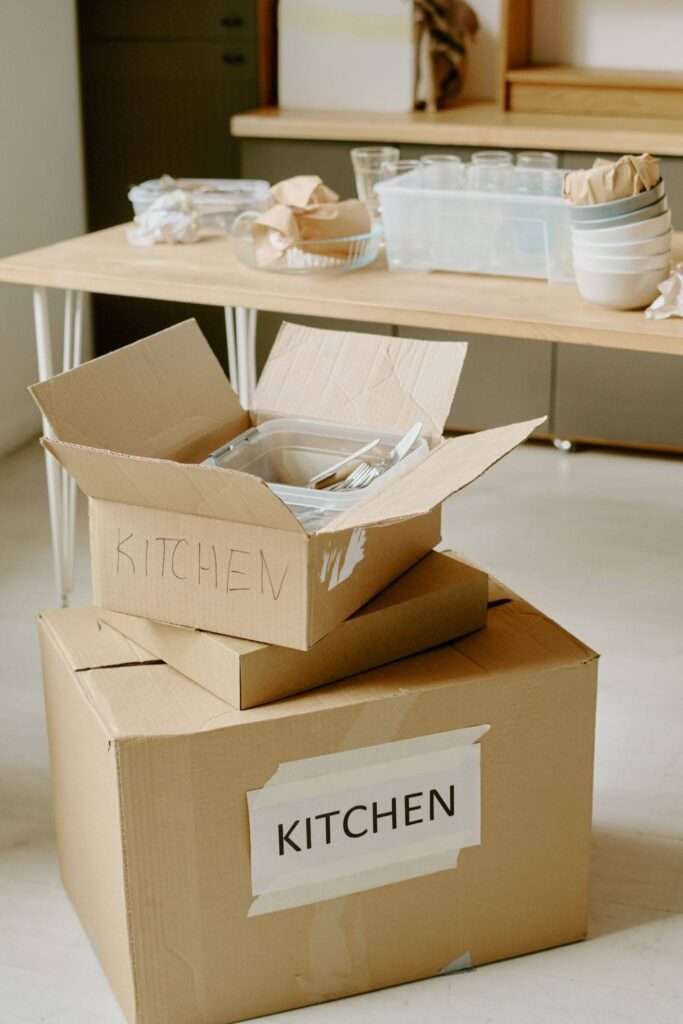
5. Seal and Label the Box
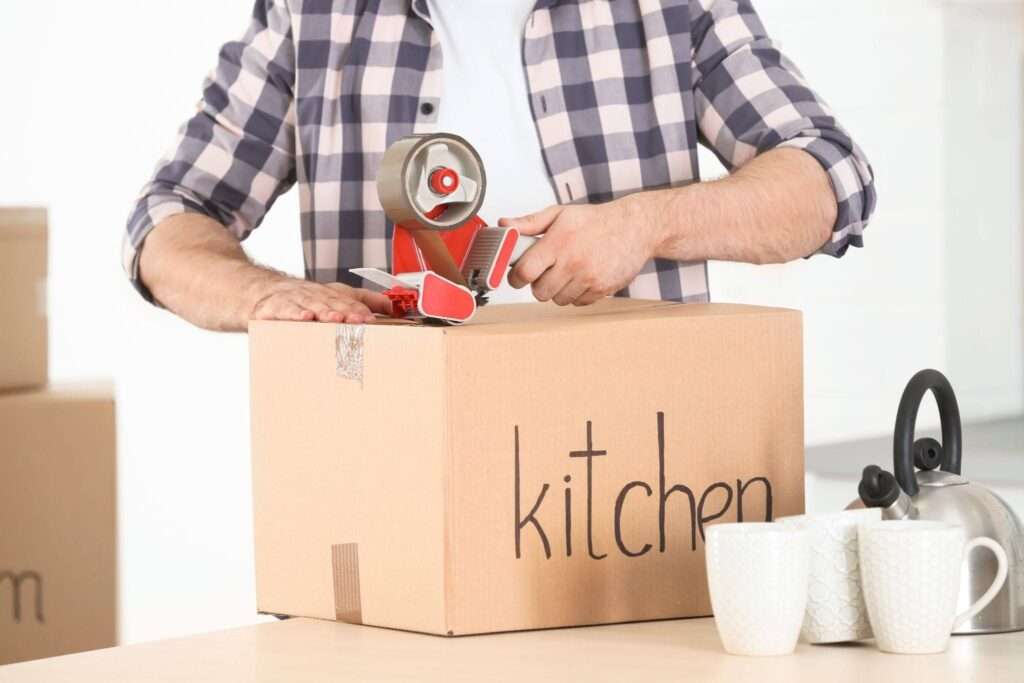
Close the box securely using strong packing tape.
Clearly label the box with:
- Kitchen
- Appliance name (for example, Toaster, Blender, or Coffee Machine)
- Fragile
- This Side Up
Proper labelling helps movers identify how the box should be handled and makes it much easier to locate specific appliances when unpacking.
More helpful reads — Unpacking Tips and Hacks for Moving Into Your New Home
Give Small Appliances Their Own Boxes
A common packing mistake is combining multiple appliances into a single box.
While it may seem efficient, this can create excessive weight and increase the risk of damage.
Whenever possible:
- Pack appliances separately
- Keep heavier items in smaller boxes
- Avoid stacking appliances together
- Distribute weight evenly across boxes
Individual packing provides better protection and makes boxes easier to carry.
Large Kitchen Appliances Require Different Preparation
Larger appliances such as refrigerators, freezers, dishwashers, and ovens require additional planning.
1. Refrigerators and Freezers
Before moving:
- Empty all food contents
- Disconnect the power supply
- Defrost completely
- Clean and dry the interior
- Secure shelves and drawers
- Leave doors slightly open until fully dry
Read more — Fridge Moving Tips – How to Prepare Your Fridge For Your Move
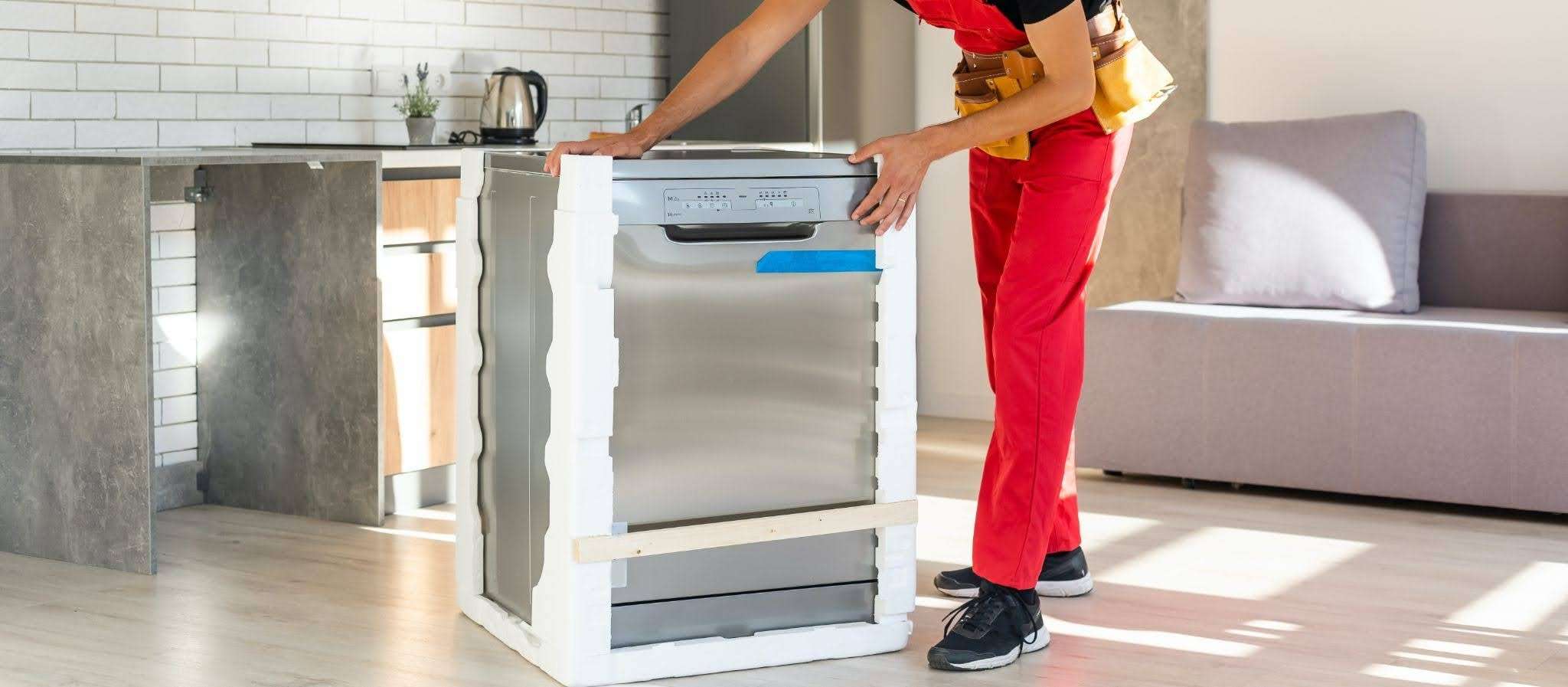
2. Dishwashers
Before transportation:
- Disconnect water connections
- Drain any remaining water
- Secure internal racks
- Protect hoses and fittings
3. Ovens
For freestanding ovens:
- Remove loose racks
- Secure oven doors if necessary
- Clean interior surfaces
- Protect glass panels during transport
Large appliances are often among the most challenging household items to prepare for relocation. Because of their size, weight, and delicate components, they require extra care throughout both packing and transportation.
Following the manufacturer’s guidance where available and handling them carefully can help reduce the risk of damage during the move.
Don’t Forget the Cords and Power Cables
Power cords are often overlooked during packing.
Loose cables can become tangled, damaged, or create unnecessary pressure on appliance surfaces.
A better approach is to:
- Disconnect all cables
- Coil cords neatly
- Secure with cable ties or soft ties
- Place cords in labelled bags
- Tape the bag to the appliance or place it inside the same box
This keeps everything organised and makes setup easier when you arrive at your new home.
Protect Appliances During Loading and Transport
Packing is only half the process. Proper loading also plays a major role in protecting your appliances.
When loading the moving vehicle:
- Place heavier appliances at the bottom
- Avoid stacking heavy items on appliance boxes
- Secure appliances to minimise movement
- Keep fragile appliances away from shifting furniture
- Maintain upright positioning whenever possible
Even the best packing job can be compromised if boxes move around excessively during transport.
Common Mistakes That Often Lead to Damage
Many appliance-related moving issues happen because of a few avoidable mistakes.
Watch out for:
- Packing appliances while still damp
- Leaving loose parts inside appliances
- Using boxes that are too large
- Failing to fill empty spaces
- Overloading moving boxes
- Skipping protective wrapping
- Forgetting to label fragile items
Avoiding these mistakes can significantly improve the safety of your kitchen appliances during relocation.
When Professional Packing Services Can Save Time and Stress
Packing kitchen appliances can be surprisingly time-consuming, especially when preparing an entire household for moving. Every appliance has different packing requirements, and taking shortcuts can increase the risk of damage during transportation.
If your moving checklist is already growing, having an experienced team take care of the packing can save valuable time while helping ensure your appliances are properly prepared for the journey.
At Soon Seng Transport, we provide professional packing services that help homeowners prepare their belongings before moving day. Our team uses suitable packing materials and careful packing techniques to protect everything from delicate countertop appliances to larger household items.
As we also provide moving services, you can rely on one experienced team to manage your relocation from packing through to transportation, making the entire process smoother and more convenient.
Read more — 6 Factors That Might Influence Cost Of Packaging Service For Your Move
Protect Your Kitchen Appliances Before Moving Day Arrives
Learning how to pack kitchen appliances for moving can help reduce the risk of damage, keep your belongings organised, and make unpacking much easier when you arrive at your new home.
From cleaning and disassembling appliances to choosing suitable packing materials and securing them properly, every step plays an important role in protecting your kitchen equipment throughout the move.
If you’d rather spend less time wrapping boxes and more time preparing for your new home, Soon Seng Transport is here to help. You can reach out to us via WhatsApp or our online contact form to get started.