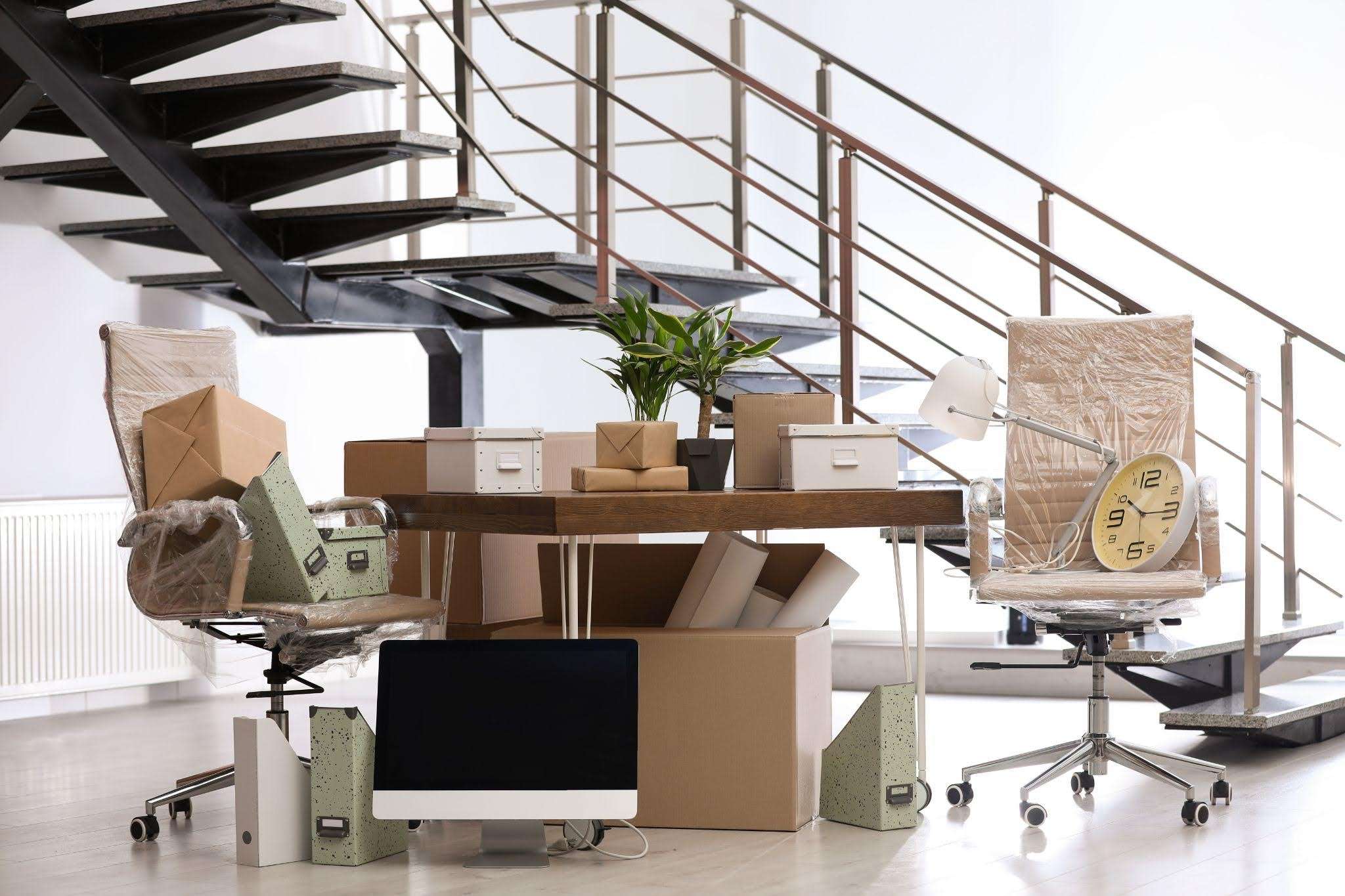
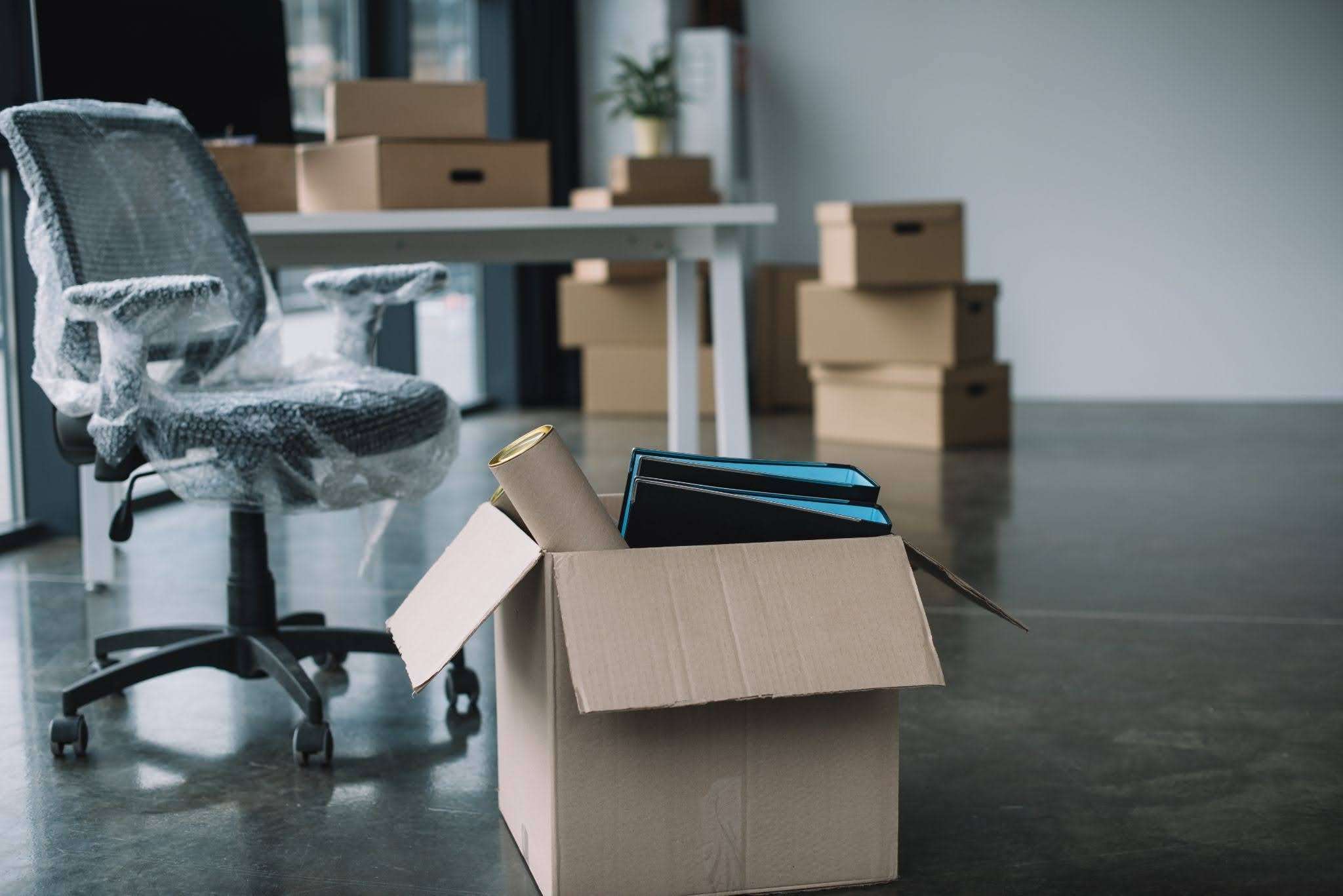
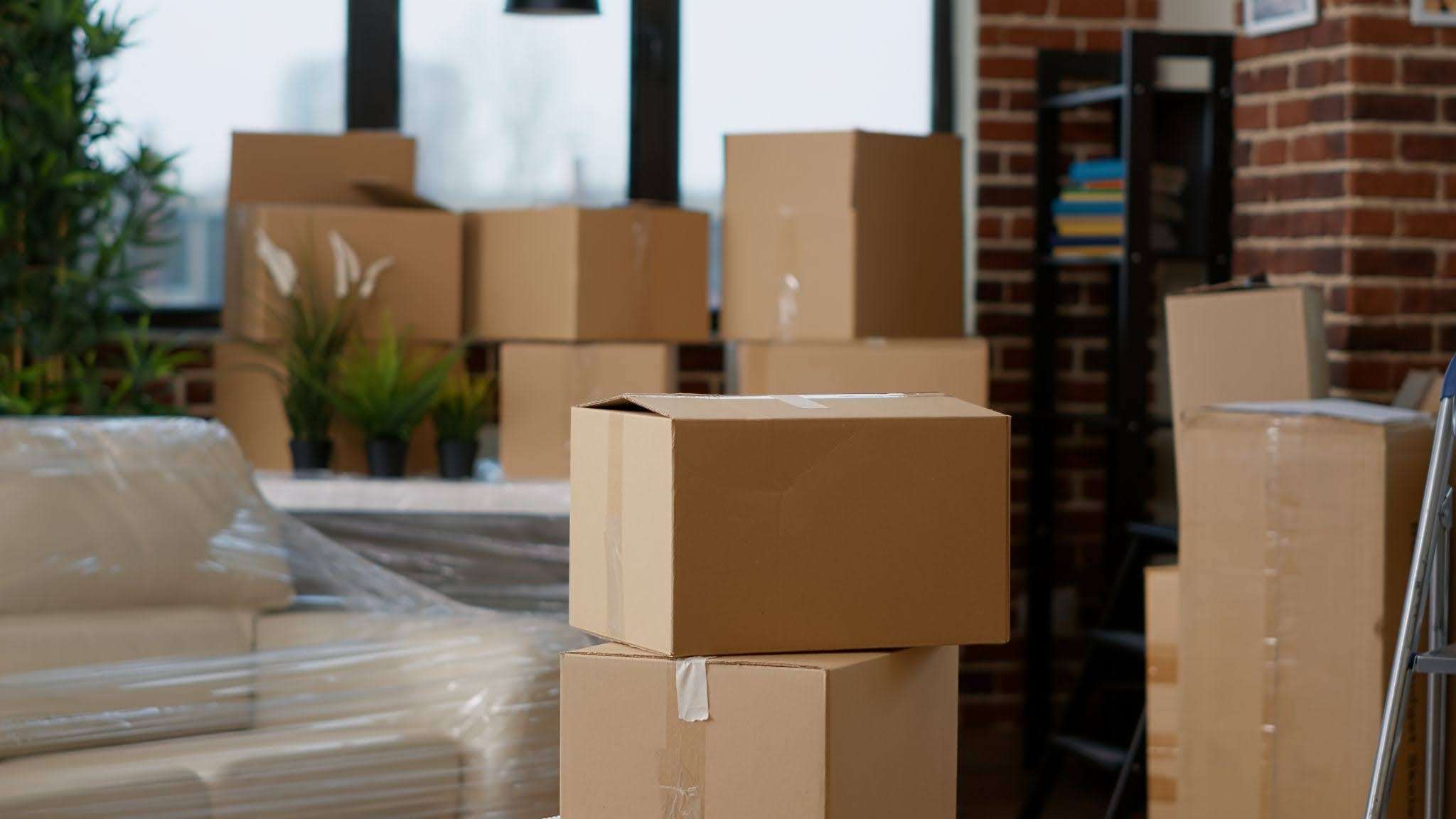
You’ve got the keys, the boxes are stacked, and for a moment, everything you own feels like a puzzle waiting to be solved.
Unpacking can either settle you in or stretch your patience thin. Do it right, and your first week feels calm. Rush it, and you’ll be hunting for phone chargers at midnight.
Let’s start this chapter organised, clear-headed, and in control with unpacking tips that actually help.
Read more — Understanding House Moving Process: What You Need To Know
Unpacking Tip #1: Start Before the First Box is Opened
Good unpacking starts before you tear into the tape. If you prepared properly during packing, you’re already ahead.
Here’s what makes a difference:
- Label by room, not just by content
“Kitchen – Everyday Plates” is better than “Kitchen”. It saves you from opening five boxes to find one bowl.
- Number your boxes
Keep a simple list on your phone. For example, “Box 12 – bathroom essentials”, “Box 18 – cables”, and so on. This prevents items from going missing during the move.
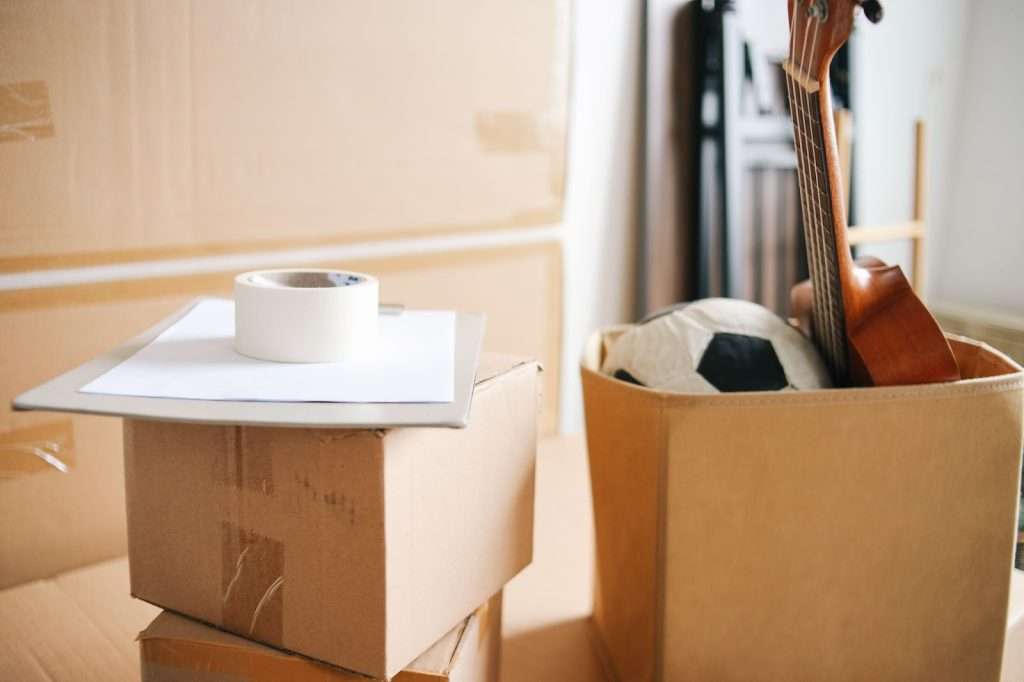
- Pack an essentials box separately
This should travel with you, not in the moving truck.
Your essentials box should include:
- Toiletries
- A change of clothes
- Basic medication
- Chargers
- Important documents
- Simple cleaning supplies
Your essentials box exists for one reason, to make your first night easy. If you can shower, charge your phone, and sleep comfortably, everything else can wait until tomorrow.
Unpacking Tip #2: Unpack in This Order and Save Yourself Days of Stress
There’s a sequence that works when it comes to efficient unpacking. Follow it and you’ll feel settled way faster.
1. Bedrooms First
You’ll be tired. Set up your bed on day one.
Assemble the frame. Lay out clean sheets. Even if the rest of the house is full of boxes, your bedroom becomes your reset space.
Sleep well, and everything else feels manageable the next day.
2. Bathrooms Next
Install shower curtains. Place toiletries. Hang towels.
A functional bathroom makes the home feel liveable immediately. It’s a small win, but it lifts your mood.
3. Kitchen Basics Only
Don’t aim for perfection yet. Focus on:
- Kettle
- Fridge
- Basic cookware
- Cutlery
- A few plates and cups
You don’t need every spice jar arranged on day one. Start with what supports daily life.
4. Living Areas and Storage
Once your essentials are in place, shift your attention to décor, books, and other non-urgent items.
Focus on one room at a time. Avoid opening boxes at random. That’s how clutter starts to build before you even realise it.
Unpacking Tip #3: Assemble Essential Furniture Before You Unpack Anything Else
It’s tempting to start opening boxes straight away. But if your large furniture isn’t set up, you’ll end up moving the same items twice.
Start with the essentials:
- Bed frames
- Wardrobes
- Dining tables
- Sofas
- Desks
Why this matters:
- You’ll know exactly where items belong.
- You avoid placing things on the floor temporarily.
- You reduce the risk of damage from shifting piles around.
- You create usable surfaces immediately.
For example, once your wardrobe is assembled, clothes can go straight in. No stacking and no re-folding later. If your dining table is ready, small items can be sorted there instead of on the floor.
Large furniture defines how your room functions. Once your bed, wardrobe, or sofa is in its proper place, you can unpack directly into its final position. That means fewer temporary piles, fewer adjustments, and far less rearranging later.
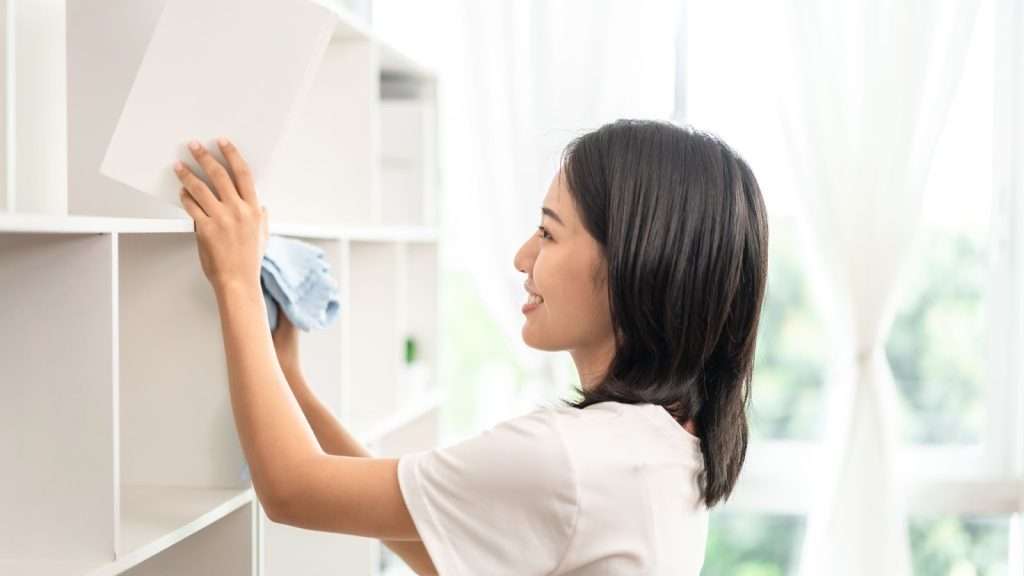
Unpacking Tip #4: Clean Before You Fill Your Shelves
This is one of the most overlooked unpacking tips.
Before placing your items into cabinets, drawers, or wardrobes, give those surfaces a quick clean. Even newly renovated homes collect dust, and previously occupied homes may need a light wipe-down.
Keep these cleaning essentials easily accessible in your “first-day box”:
- Microfibre cloths
- Multi-surface spray
- Disinfectant wipes
- A small vacuum or broom
- Bin bags
Here’s how to use them efficiently:
- Wipe shelves before placing kitchenware.
- Vacuum wardrobe interiors before hanging clothes.
- Clean bathroom drawers before arranging toiletries.
- Sweep high-traffic areas before setting down rugs.
A few extra minutes of cleaning prevents double handling and makes your home feel fresh immediately, which helps you settle in faster.
Unpacking Tip #5: The 30 Minute Rule That Keeps You Focused and Productive
Unpacking can stretch on for weeks if you approach it without structure.
Try working in focused 30-minute blocks instead. Set a timer and commit to one box or one category at a time. No scrolling or multitasking. When the timer ends, step away for a short break before starting the next round.
This approach keeps your energy steady and prevents burnout. Unpacking involves constant decisions, and that mental load adds up faster than you expect.
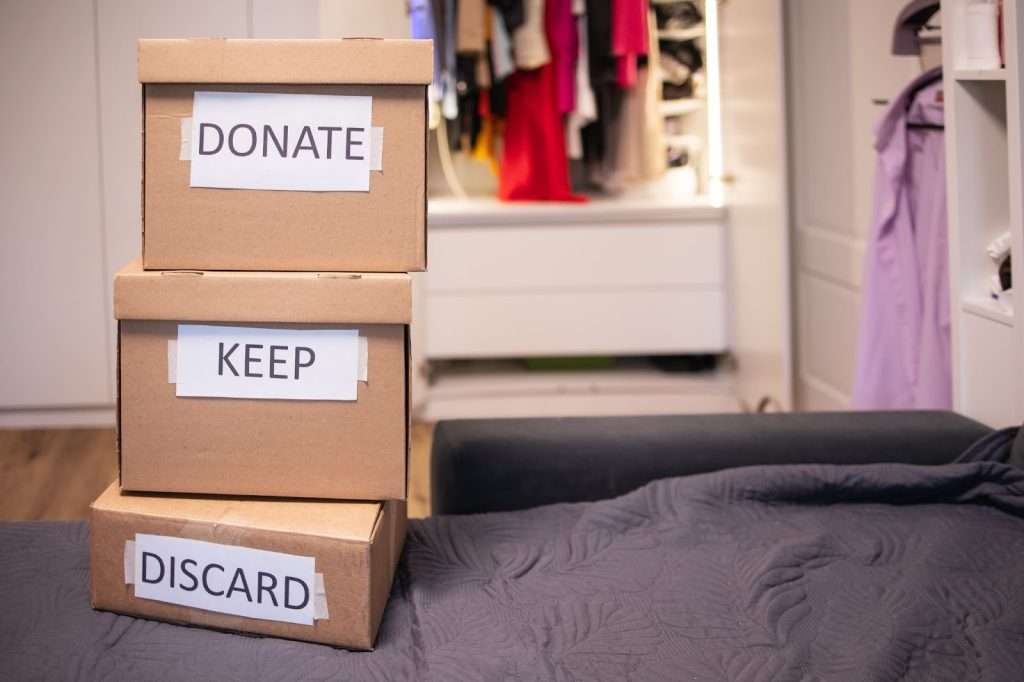
Unpacking Tip #6: Declutter As You Unpack
Moving house gives you a natural reset. Use it. One of the smartest unpacking tips is this: don’t bring unnecessary items into your new space.
As you unpack, make three quick decisions:
- Keep: You use it regularly or it genuinely adds value to your life.
- Donate: It’s in good condition but no longer serves you.
- Dispose: Broken, outdated, or unused for years.
Be honest with yourself. If you haven’t used something in a long time and it holds no real meaning, this is your moment to let it go.
In Singapore, many charities accept gently used household items, which makes donating simple and responsible.
Decluttering as you unpack reduces storage pressure, makes cleaning easier, and creates a calmer space from day one. When your home feels lighter, settling in becomes much smoother.
Explore NEA’s donation and resale channels
Unpacking Tip #7: Plan Your Storage Like You Plan Your Furniture
Before filling cabinets, think about movement.
Ask yourself:
- What do you use daily?
- What do you use weekly?
- What’s occasional?
Place daily items at arm’s reach. Store seasonal or rare-use items higher or deeper inside cabinets.
This approach improves daily flow. You’ll save time every single day.

Unpacking Tip #8: Take Care of Yourself During the Process
It’s easy to forget this part. Moving house ranks as one of life’s more stressful events. That’s well documented in relocation and psychology studies. Even positive change requires adjustment.
So:
- Hydrate
- Eat proper meals
- Sleep enough
- Avoid trying to finish everything in one weekend
Your home will come together step by step. It doesn’t need to be perfect all at once.
Read more — Moving Safety Tips you Should Know
Extra Unpacking Tips That Professionals Swear By
Here are other practical unpacking tips to help you stay organised:
- Flatten boxes immediately: It frees up space and reduces visual chaos.
- Break down packing materials early: Stack bubble wrap and paper neatly. Don’t let it scatter.
- Group similar items before placing them: Lay everything out on a table first. Then decide where it belongs.
- Use drawer organisers from day one: It prevents future reshuffling.
When to Consider Extra Help
Sometimes the smartest unpacking tip is knowing when to get support.
You might need help if:
- You’re balancing work and family
- You’re relocating under time pressure
- You’re managing a large household
- You’re downsizing or upgrading significantly
Professional movers not only handle packing, transport, and disposal, they also bring structure to the entire transition. That clarity reduces mistakes, protects your belongings, and lowers stress.
Read more — 5 Key Factors That Can Affect Your House Moving Service Cost
Settle In Faster with Smart Unpacking Tips
Unpacking works best when it’s intentional and not overly rushed. A clear system now saves weeks of small frustrations later.
Set up what supports you first. Work room by room. Make deliberate decisions. Take breaks.
If you’re planning your upcoming move, or you simply want clarity on how to make it smoother, we’re here to guide you. Reach out to us at Soon Seng Transport and let’s make sure your move feels organised from the first box to the last shelf.